

- admin
- 0 Comments
Low back pain is common and can affect people of different ages. Understanding its duration, possible causes and warning signs can help you decide when to seek an assessment.
Understanding low back pain
- By duration: acute, subacute or chronic.
- By location: upper, middle or lower back.
- By cause: specific or non-specific back pain.
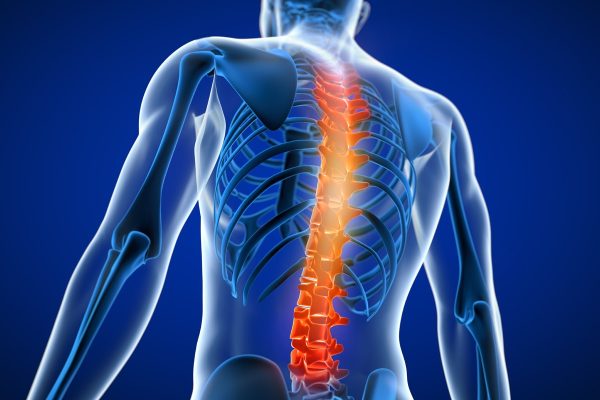

Low back pain is described as non-specific when an assessment does not identify a particular disease or structural cause. Specific back pain is linked to an identifiable condition. This distinction guides assessment and treatment; it does not measure how real or severe the pain feels.
What does low back pain mean?
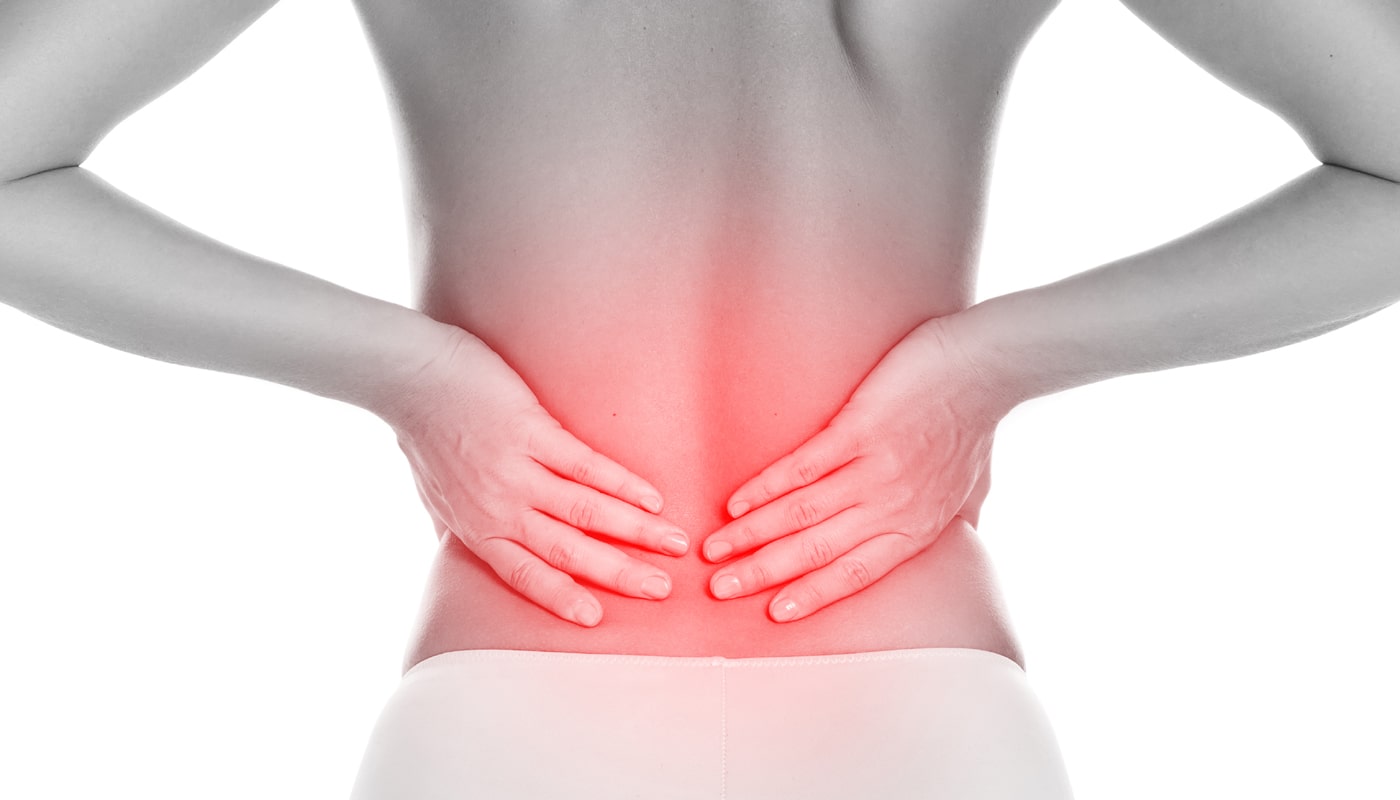
Low back pain, sometimes called lumbalgia, refers to pain in the lower back. Its impact is individual: symptoms may affect movement, work, sleep and confidence. An assessment considers symptoms and daily activities together.
Location and duration of symptoms
Location: describe where you feel the pain and whether it travels into the buttock or leg.
Duration: acute pain lasts less than six weeks, subacute pain lasts six to twelve weeks, and chronic pain persists beyond twelve weeks.
Many episodes improve within a few weeks, but symptoms can recur. Duration alone does not explain the cause or determine the treatment. Persistent pain deserves an individual assessment rather than assumptions based only on age or posture.
Possible causes
Most low back pain is non-specific: no single disease or structural cause can be identified. This does not mean the pain is imaginary. Specific causes require a clinical assessment; a symptom list cannot establish a diagnosis.
Muscle strain: may follow an unfamiliar activity or physical load. Pain should not automatically be blamed on one posture.
Disc-related problems: a herniated disc may cause symptoms, including pain travelling into a leg. Changes seen on a scan must be interpreted alongside the examination.
Spinal stenosis: narrowing around spinal nerves may be associated with back or leg symptoms.
Ankylosing spondylitis: an inflammatory condition that can affect the spine and sacroiliac joints; it needs medical assessment and appropriate care.
Spondylolisthesis: one vertebra sits forward relative to another. Symptoms vary, and not everyone has pain.
Osteoporosis: fragile bones increase the risk of vertebral fracture. Low bone density alone should not be assumed to explain back pain.
Pregnancy: back and pelvic discomfort can occur during pregnancy; ask your maternity team for advice suited to your situation.
When to seek help
Seek assessment if pain persists for several weeks, limits daily life, or occurs with unexplained weight loss or night pain. Sudden severe or rapidly worsening pain, fever or feeling unwell warrants urgent advice.
Seek emergency care for new bladder or bowel problems, numbness around the genitals or anus, weakness or numbness in both legs, or pain following a serious accident.
How physiotherapy may help
An individual programme can support movement, activity and confidence. Stay active as tolerated and avoid prolonged bed rest. Exercise should be adapted to your symptoms and abilities; worsening symptoms need reassessment. No single exercise programme suits everyone.
Sources
General information, not an individual diagnosis. This English adaptation updates the wording of the original clinic article.