- admin
- 0 Comments
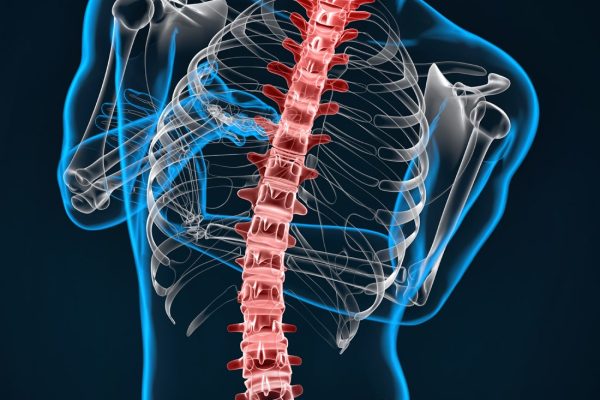
Scoliosis is a sideways curvature and rotation of the spine, not simply a habit of sitting badly. This article explains the condition in general, with a focus on adults, symptoms and everyday function.
For childhood assessment and growth-related treatment, see our separate guide to scoliosis in children.
Why can adults have scoliosis?
A curve may have started in adolescence and persisted into adulthood. Degenerative scoliosis develops later as spinal discs and joints change. A diagnosis made in adulthood does not necessarily mean the curve is new.
Some adults have few symptoms. Others notice back pain or reduced tolerance for standing and walking. Associated nerve irritation may cause pain, tingling or numbness in a leg. Not every episode of back pain is caused by the curve.
Signs, diagnosis and when to seek help
- Uneven shoulders, waist or hips.
- A trunk that leans to one side.
- A more prominent shoulder blade or one side of the ribs.
These observations alone cannot diagnose scoliosis. Assessment includes your symptoms, examination and, when indicated, standing X-rays. The Cobb angle measures the curve, but treatment decisions also consider function, balance and overall health.
When should you arrange an assessment?
Seek advice for a new or changing spinal asymmetry, persistent pain or difficulty with normal activities. Bring previous imaging and describe which activities are limited.
Seek emergency care if back pain accompanies new bladder or bowel problems, numbness around the genitals or anus, or weakness/numbness in both legs. These are general spinal warning signs, not typical proof of scoliosis.
What role can physiotherapy play?
For adults, a useful goal is better comfort and function, not a promise of a perfectly straight spine. Physiotherapy may help with pain and physical activity, but exercise is unlikely to reverse an established adult curve.
A programme can be tailored to your symptoms and goals. Discuss what matters to you: walking, work, sleep or returning to an activity. Avoid buying a universal “correction” programme without assessment.
Are braces or surgery always needed?
No. Mild, symptom-free scoliosis may need no active treatment. Adult braces are sometimes used for support and pain relief, not in the same way as growth-related bracing in children. Most adults do not need surgery. Specialist assessment may be appropriate for substantial progression, persistent severe symptoms or nerve problems.
Preparing for your visit
- Note when symptoms began and whether they have changed.
- Bring previous reports and a list of treatments already tried.
- Ask what the treatment aims to improve and how progress will be measured.
Contact PhysioLife Therapy to request an assessment.
Sources
- NHS: scoliosis overview
- NHS: treatment in adults
- SRS: adult scoliosis
- SRS: diagnosis
- NHS: back pain warning signs
Updated 12 September 2026. General information, not an individual diagnosis or treatment prescription.